Why Single-Leg Glute Exercises Deserve More Space in Your Routine
Quick Answer: Bilateral exercises like a standard glute bridge allow a stronger side to unconsciously compensate for a weaker one, meaning real side-to-side strength imbalances can persist and even worsen over months of consistent bilateral-only training — single-leg variations remove that compensation option entirely, which is why they’re one of the more effective ways to identify and correct an imbalance that bilateral training alone won’t fix.
Most people don’t realize they have a meaningful side-to-side glute strength difference until they try a single-leg movement and one side clearly struggles more than the other.
Why can bilateral exercises actually hide a strength imbalance?
When both legs work together on a movement like a standard bridge or squat, a stronger side can subtly take on more of the load without the person consciously noticing, since the total output still feels balanced and the exercise still gets completed — this compensation pattern means a real imbalance can persist, or even gradually worsen, despite consistent bilateral training.
What does adding single-leg work actually reveal and fix?
A single-leg glute bridge, split squat, or step-up forces each side to work entirely independently, immediately exposing any meaningful strength or stability difference between sides — and because there’s no stronger side to compensate, consistent single-leg training directly and specifically addresses that gap rather than just working around it.

Does this matter for people without any noticeable imbalance symptoms?
Yes — many people carry a meaningful side-to-side strength difference without any obvious symptom (pain, noticeable weakness in daily life), and single-leg training is one of the more reliable ways to catch and address it proactively before it potentially contributes to compensation patterns elsewhere, like the lower back or opposite hip.
How should single-leg work actually fit alongside bilateral glute training, not replace it?
Both serve a purpose — bilateral exercises are generally better for building overall strength and allow heavier loading, while single-leg exercises are better for addressing imbalances and building the specific stability that unilateral movement (like walking or running, which are inherently single-leg-dominant) actually requires — a well-rounded routine includes both rather than choosing one over the other.
FAQ: Single-Leg Glute Training Questions, Answered
How do I know if I actually have a meaningful side-to-side glute imbalance?
Trying a single-leg bridge or step-up and noticing a clear difference in how many quality reps each side can complete, or a clear stability or shakiness difference, is a practical way to self-assess before formally addressing it in training.
Should the weaker side get extra training volume to catch up?
A common and generally effective approach is doing the weaker side first (while it’s freshest) and matching or slightly exceeding the stronger side’s rep count on the weaker side over time, rather than doing identical volume on both from the start.
Are single-leg glute exercises harder to learn with good form than bilateral versions?
Generally yes, at least initially — the balance and stability demand is higher, so starting with a stable support (holding onto something nearby) while learning the movement pattern is a reasonable progression before removing that support entirely.
TL;DR:
- Bilateral exercises let a stronger side compensate, potentially hiding a real imbalance for months
- Single-leg variations remove that compensation, directly exposing and addressing side differences
- Many people carry an imbalance without any obvious symptom until they specifically test for it
- Both bilateral and single-leg training serve distinct purposes and belong in a well-rounded routine
Adding consistent single-leg glute work is one of the more effective ways to catch and fix an imbalance that bilateral training alone tends to quietly mask.
See It in Motion
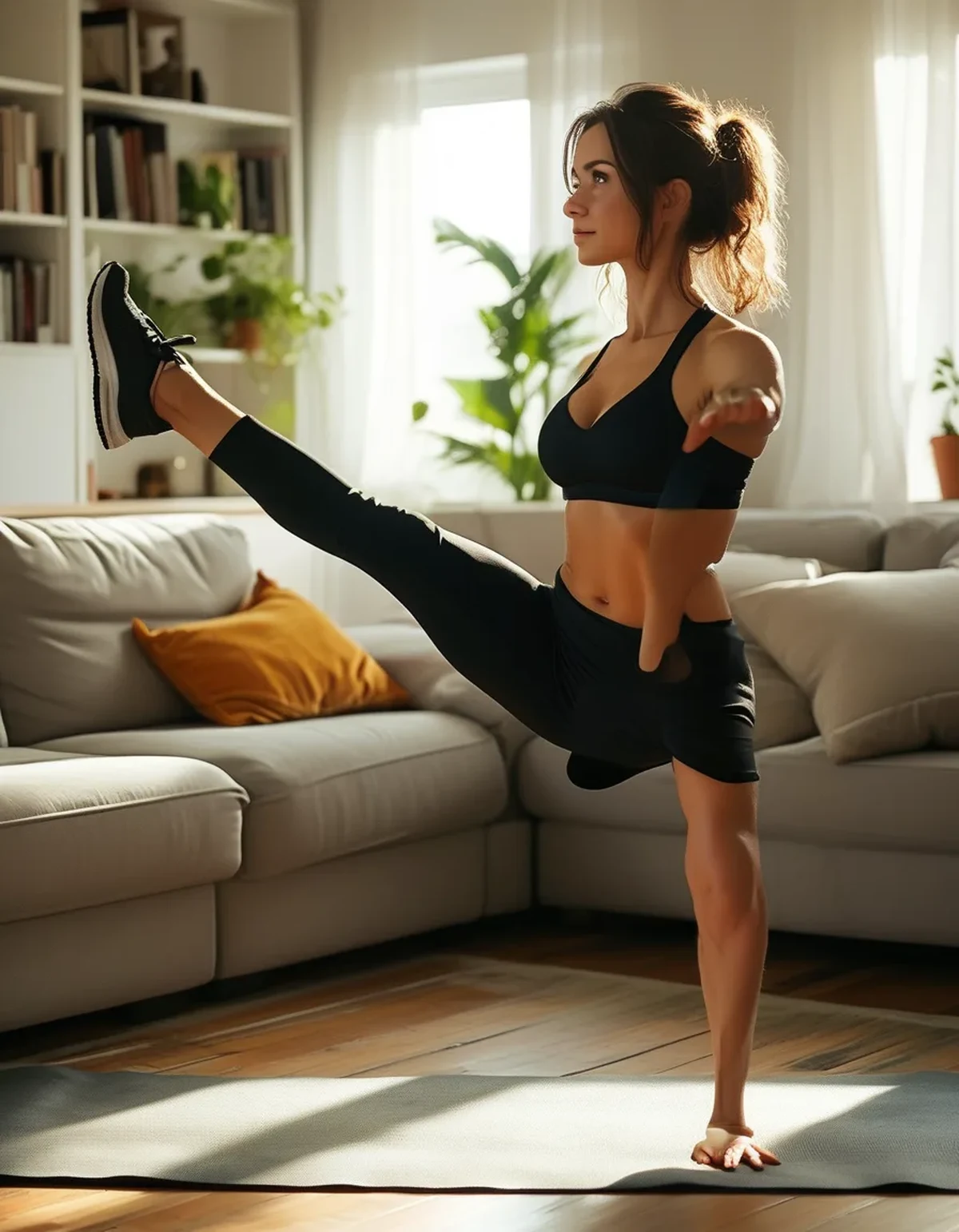
Seen here: Super High Waist Embossed Yoga Leggings with Inner Pocket — shop it on bubblelime.com
Keep Reading
This article is for general informational and styling purposes only. Fit, sizing, and product availability may vary.